After Catastrophic Human and Financial Harm and Sustained Institutional Injustice in Bangladesh, SISP Prepares to Escalate the Matter to U.S. Federal Authorities
January 30, 2026


After Catastrophic Human and Financial Harm and Sustained Institutional Injustice in Bangladesh, SISP Prepares to Escalate the Matter to U.S. Federal Authorities
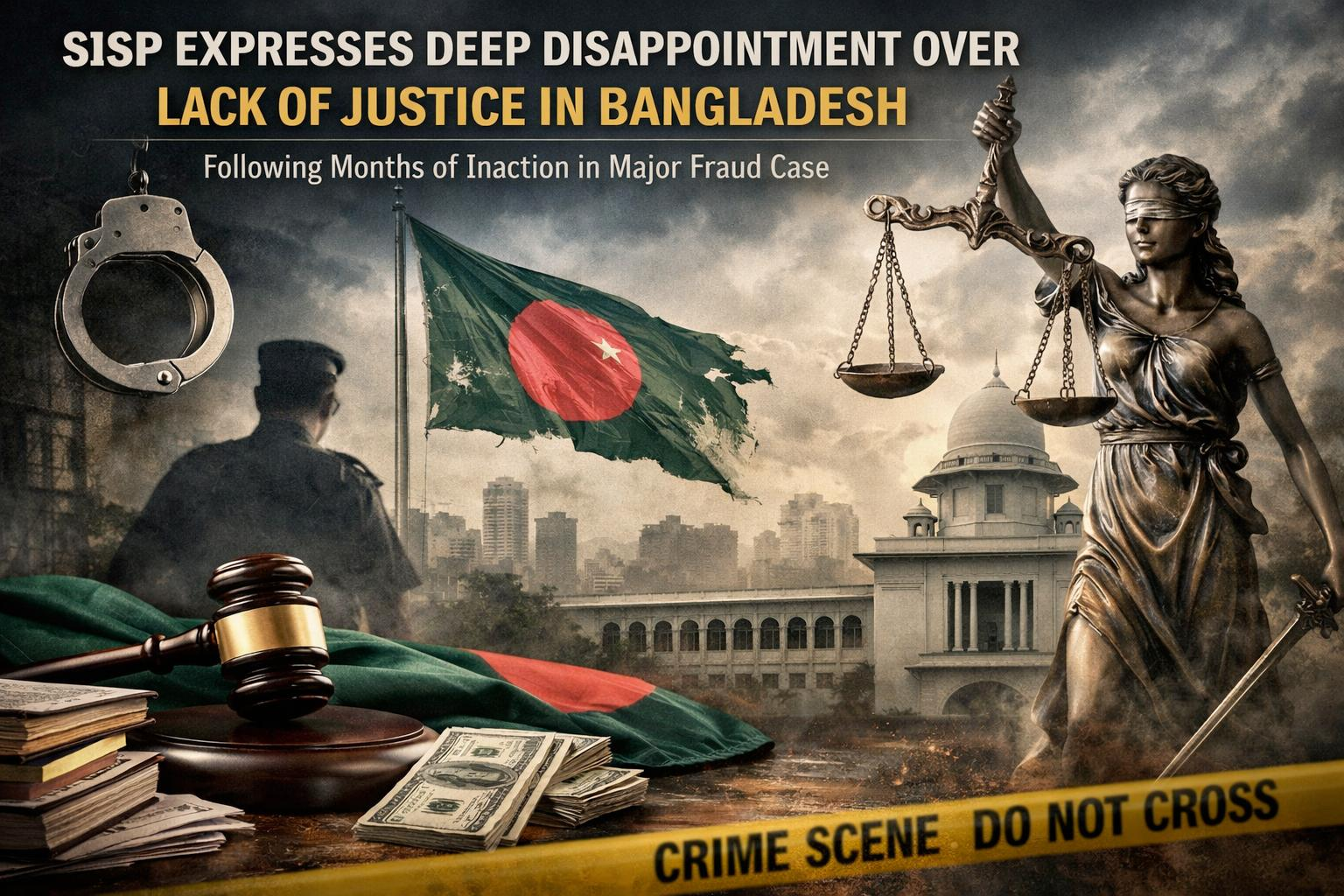
After nearly seven to eight months of waiting for meaningful progress in the investigation of a confirmed fraud, theft, cybercrime, and betrayal case affecting Shaker International Scholarship Programs (SISP) in Bangladesh, we have reached a difficult but unavoidable conclusion: the domestic process has failed to deliver timely accountability, protection, or institutional integrity.
Despite repeated written communications, formal complaints, in-person follow-ups, and documented submissions, the response from key institutions in Bangladesh has been marked by prolonged silence, delay, and procedural breakdown. During this period, individuals identified in our filings as responsible for criminal actions against SISP have continued to remain at large and publicly active, without meaningful restriction or consequences.
SISP is a registered nonprofit organization in the United States, operating under U.S. law and established to serve students and underprivileged communities in Bangladesh through transparent, lawful, and humanitarian programs. Crimes committed against such an institution — and any subsequent obstruction or institutional failure to act — carry serious cross-border legal implications.
The Reality: This Case Is No Longer “Small”
This matter is not limited to alleged theft of devices, money, or routine operational harm. Based on verified facts and documented losses, this case has expanded into a large-scale, multi-layered incident involving:
- Fraud and theft impacting a U.S.-registered nonprofit organization
- Cross-border cyber intrusion originating from Bangladesh and targeting systems in the United States
- Severe disruption and destruction of ongoing humanitarian programs
- Major business losses, contractual harm, and suspension of long-term projects
- Credible concerns of influence, obstruction, and sustained institutional non-response
Cybercrime and Digital Destruction Summary (Federal Jurisdictional Relevance)
Based on documented incidents, technical records, and ongoing internal assessments, this matter now includes patterns consistent with cross-border cybercrime and digital infrastructure sabotage, including:
- Coordinated unauthorized access and destruction of digital assets belonging to a U.S.-registered nonprofit organization, resulting in the complete wiping of multiple official communication and archival platforms, including YouTube, Facebook, Telegram, Instagram, and X (Twitter). These actions eliminated years of operational records, public documentation, humanitarian evidence, and communications.
- Systematic digital erasure of organizational presence, effectively dismantling the nonprofit’s digital identity and continuity in Bangladesh through the removal or compromise of accounts, data repositories, administrative access, and historical records.
- Cross-border cyber intrusion activity originating outside the United States, targeting systems, platforms, or digital channels connected to U.S.-based entities, establishing clear federal jurisdictional relevance under U.S. cybercrime and interstate commerce statutes.
- Recurrent cyber interference directed at a U.S.-registered commercial entity in the State of Hawaii, formerly a sponsor of the nonprofit’s work-study programs. These incidents occurred repeatedly over a defined period, with the apparent objective of disrupting financial operations, interrupting commercial activity, and destabilizing business continuity.
- A demonstrable pattern of sustained cyber disruption, involving multiple incidents in close succession, including at intervals of approximately seven days, resulting in operational shutdowns, revenue loss, suspension of sponsorship agreements, and compounding financial and institutional damage.
- Indicators of intent to interfere with lawful U.S. operations, including attempts to impair access to digital channels, financial workflows, administrative systems, and commercial processes, consistent with international cyber interference affecting U.S. persons, U.S. organizations, and U.S.-based economic activity.
This pattern-based conduct, combined with cross-border impact, elevates this matter well beyond a single cyber incident and places it squarely within the scope of serious federal cybercrime review.
Background of the Case
This case centers on acts of fraud, theft, and institutional betrayal involving individuals formerly associated with SISP operations in Bangladesh, including Samia Islam Farzana (student of Government Titumir College) and Shahed Anwar Shadhin (student of Adamjee Cantonment College) and Jannatul Ferdous Fareha (student of Lalmatia Govt. Women's College).



Severe Financial Loss and Cross-Border Damage
This incident severely disrupted our operational stability, personal safety, and professional continuity.
One verified example demonstrates the seriousness of the harm. A U.S.-based partner located in the State of Hawaii (HLTC), which supported a work-study program for Bangladeshi students and was directly connected to our charitable mission, suffered approximately USD $500,000 (Five Hundred Thousand United States Dollars) in confirmed financial losses as a result of cyber-related actions linked to this incident.
In addition to the direct financial damage, HLTC permanently lost a critical long-term business contract that had been developed over several years. The loss of this contract occurred as a direct consequence of the actions taken by the involved individuals.
All financial losses are fully documented and verifiable through U.S. bank records, tax filings, contractual agreements, and transaction histories.
In addition, two major long-term projects—one large humanitarian master initiative under SISP and a second for-profit development project—were in advanced preparation and scheduled for launch during the period in which these crimes occurred.
As a direct result of institutional inaction, ongoing injustice, and prolonged uncertainty, both projects were forced into suspension. Over an eight-month period, the absence of timely action and the unstable legal environment made it impossible to proceed responsibly.
During this time, project budgets were not merely frozen. Instead, funds that had been allocated for development, implementation, and launch were diverted and expended on unavoidable costs arising directly from this crisis. These included legal actions, investigative efforts, security measures, operational damage control, attorney’s fees, public communications, press-related activities, and compliance-related expenses.
In addition, substantial resources were required to rebuild and secure the organization’s digital and social media infrastructure, which had been deliberately disrupted and erased. Emergency expenditures were also incurred to document the crimes, expose the responsible parties through lawful channels, and pursue accountability in Bangladesh and internationally. This process required the urgent recruitment of new personnel and technical support to restore online presence, preserve evidence, manage communications, and support ongoing legal and investigative efforts.
These expenditures were not discretionary. They were necessary and unavoidable to protect the organization, its partners, its staff, and its beneficiaries, and to prevent further harm while pursuing justice.
During the period when SISP and its partners were suffering severe financial loss, operational collapse, and serious security concerns, the individuals involved in this case — including Shahid Anwar Shadin, Samia Islam Farzana, and General Ferdous Fariha — continued to move freely without restriction.
During this time, our witnesses, employees, scholars, and work-study participants reported highly alarming statements. According to multiple witnesses, the accused individuals openly told their friends — many of whom were directly connected to SISP — that they were untouchable. They stated, in clear and direct language, that they had paid for protection, claiming they had “bought” influence within the Police Bureau of Investigation (PBI) and the court system, and that no one could take action against them.
These statements were documented by SISP. Upon receiving this information, we formally and repeatedly informed senior law enforcement leadership in Bangladesh in writing, warning that such claims were extremely serious and required immediate clarification and action. We explicitly requested that authorities either disprove these claims or take corrective measures if they were true.
In at least two separate incidents, SISP sent formal emails and written letters directly to the Chief of PBI and the Chief of Bangladesh Police. These communications were copied to more than fifteen additional senior police officials, as well as our legal counsel and internal representatives. All correspondence is documented and preserved.
Despite the seriousness of these reports and the scale of harm already caused, we received no response whatsoever — no acknowledgment, no clarification, no denial, and no investigative update. The absence of any response from leadership-level law enforcement, despite repeated formal notification and documented evidence, significantly deepened concern among victims and witnesses and reinforced fears that accountability mechanisms were not functioning during a critical period.
This silence occurred while accused individuals continued to circulate provocative images and messages showing leisure activities and celebratory behavior, which were perceived by victims as mockery and psychological intimidation. Together, these actions caused severe emotional distress, heightened fear among witnesses, and further undermined confidence in the protection of lawful processes.
At this stage, the total financial damage remains unmeasurable and will require months of forensic accounting. When fully calculated, the magnitude of loss is expected to be substantial and deeply consequential.
This video was publicly posted on social media by Shahid Anwar Shadin shortly after the emergence of a fraud, theft, and cybercrime case involving Shaker International Scholarship Programs (SISP) in Bangladesh.
The footage shows Mr. Shadin attending an upscale buffet restaurant and highlighting a luxury dining experience. The timing and presentation of the video were perceived by victims and witnesses as celebratory and provocative, particularly in light of the ongoing financial, humanitarian, and emotional harm caused by the incident.
Emotional Distress and Human Impact
Human Cost, Personal Safety, and Sustained Psychological Harm
The impact of these events has extended far beyond financial loss and operational disruption. Over the past eight to ten months, the cumulative pressure of this crisis has imposed an extraordinary personal and human burden on the leadership of SISP.
During this period, the founder of SISP has been forced to simultaneously address multiple fronts of harm: repairing institutional damage, responding to daily public attacks and misinformation campaigns, preparing for prolonged legal proceedings, and safeguarding the integrity of the organization under constant strain.
At the same time, a far more serious responsibility emerged — the protection of SISP members and associates in Bangladesh. Credible threats were directed toward individuals affiliated with the organization, including attempts by Samia Islam Farzana and Shahid Anwar Shadin to intimidate, harass, and silence individuals by initiating police complaints against them. These actions created an atmosphere of fear and uncertainty for people whose only involvement was humanitarian service.
While those retaliatory actions were ultimately challenged and neutralized through lawful means, the risk they created was real. The responsibility of ensuring that no member, volunteer, or associate would be harmed, terrorized, or placed in danger — physically or psychologically — became a constant and overwhelming concern.
The founder of SISP has stated that the most distressing aspect of this period was not the financial loss alone, but the continuous fear that innocent people could be targeted, intimidated, or harmed as a result of standing for truth and accountability. The weight of protecting others, while under sustained attack, exacted a severe toll.
The cumulative stress of these events — persistent threats, legal pressure, repetitional attacks, operational collapse, and the duty to protect human lives — has profoundly disrupted personal life, mental well-being, and emotional stability. This level of prolonged stress is not theoretical; it is lived, daily, and deeply damaging.
This reality must be acknowledged clearly: the harm inflicted by this case is not confined to balance sheets or timelines. It has affected people, families, safety, and the psychological foundation required to lead humanitarian work responsibly.
This section is not presented for sympathy, but for the record — to demonstrate that the consequences of sustained injustice, intimidation, and institutional failure are measured not only in money, but in human cost.
As the situation escalated, SISP was compelled to take extraordinary protective measures to safeguard members who cooperated with authorities and provided testimony in connection with this case. Due to credible safety concerns, including the fact that Samia Islam Farzana possessed knowledge of class schedules, locations, and daily routines of certain individuals, the organization assessed a real risk of intimidation or physical harm.
For an extended period — spanning several months and continuing to the present — SISP arranged and financed regular taxi transportation for affected members to travel safely to and from their educational institutions. These measures were implemented solely to reduce exposure, prevent tracking, and ensure that individuals who acted lawfully and truthfully were not placed in danger for doing so.
The necessity of such arrangements underscores the severity of the situation. It is not normal for a humanitarian organization to divert resources toward basic physical protection of students and volunteers. Yet this became unavoidable, as the safety of individuals took precedence over all other considerations.
This prolonged period of vigilance, logistical coordination, and fear further intensified the psychological strain on SISP leadership and staff. The responsibility of ensuring that no one would be harmed for standing against criminal conduct weighed heavily and continuously, reinforcing the reality that the consequences of this case extended into daily life, personal safety, and fundamental human security.
Beyond finances, the human consequences are profound. For months, the founder and leadership of SISP have operated under continuous stress, fear, and emotional distress caused by prolonged uncertainty, institutional silence, and the ongoing visibility of the accused individuals without clear restriction or accountability.
For the public record, we state clearly that this sustained emotional distress has materially affected leadership capacity, personal safety, and the ability to operate programs responsibly after years of dedicated humanitarian work.
Failure of Institutional Response
Over the past several months, SISP formally notified senior officials within the Bangladesh Police and the Police Bureau of Investigation (PBI) through:
- Formal written letters
- Email correspondence
- Verbal briefings
- Mass-distribution notices copied to additional senior officers
No substantive response has been received. No guidance, timeline, or transparent process was provided.
Senior Officials Notified — No Response Recorded
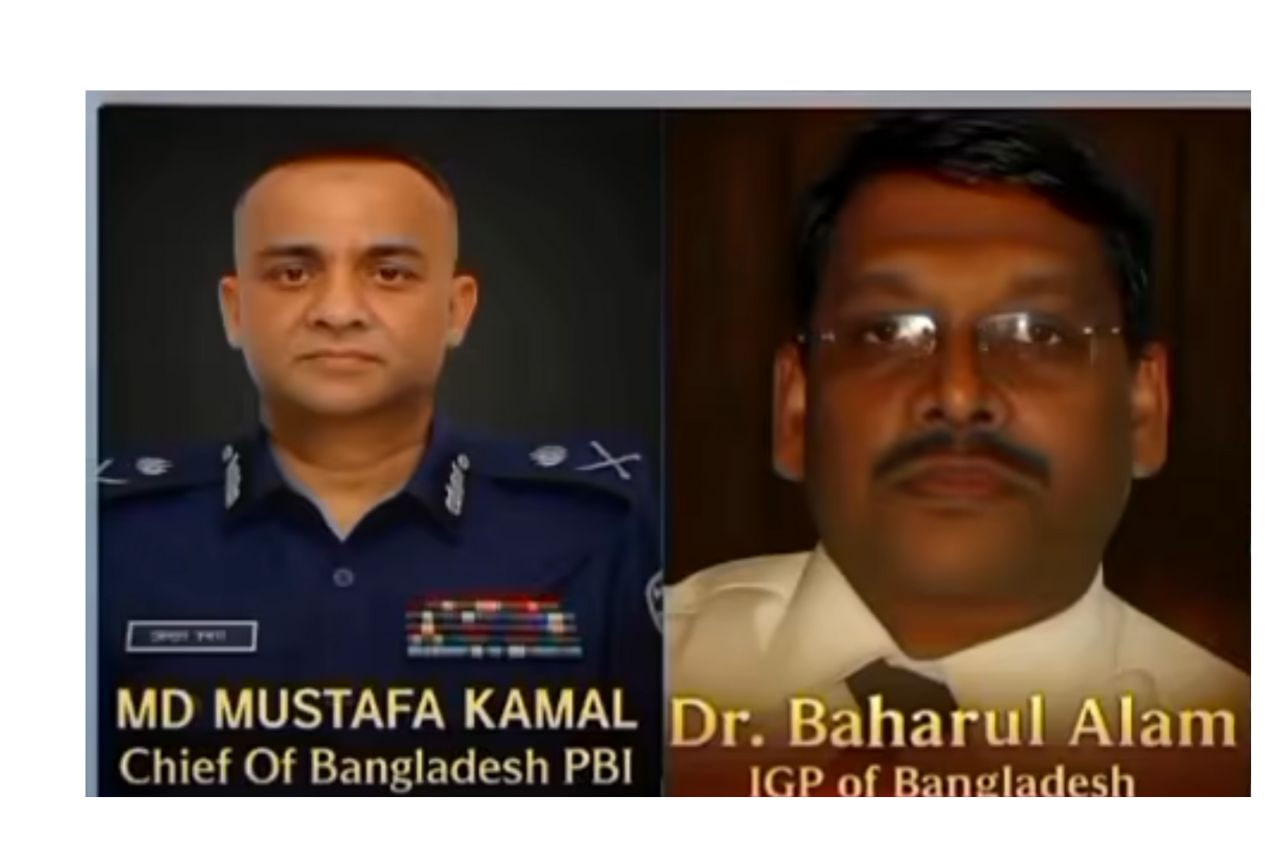
The individuals shown in accompanying materials hold senior leadership positions within Bangladesh law enforcement institutions.
According to SISP records, these officials were formally notified multiple times in writing regarding a confirmed fraud and cybercrime case involving a U.S. nonprofit organization. Notifications were sent directly and through multiple official channels, including letters copied to additional senior officers.
As of this publication, no formal response, clarification, or documented action has been received from these offices. Due to the absence of institutional response, the matter has been escalated to United States federal authorities for independent review.
A Core Concern: Why Was This Not Resolved Quickly?
Based on the facts provided, this case could have been clarified rapidly through basic investigative steps. Instead, prolonged delay and repeated attempts to downgrade the matter to a routine dispute contributed directly to escalating damage.
Efforts to mischaracterize an international cyber-enabled institutional crime as an internal disagreement are inconsistent with the documented evidence and with the cross-border nature of the harm involved.
Allegations of External Influence and a Key Facilitator
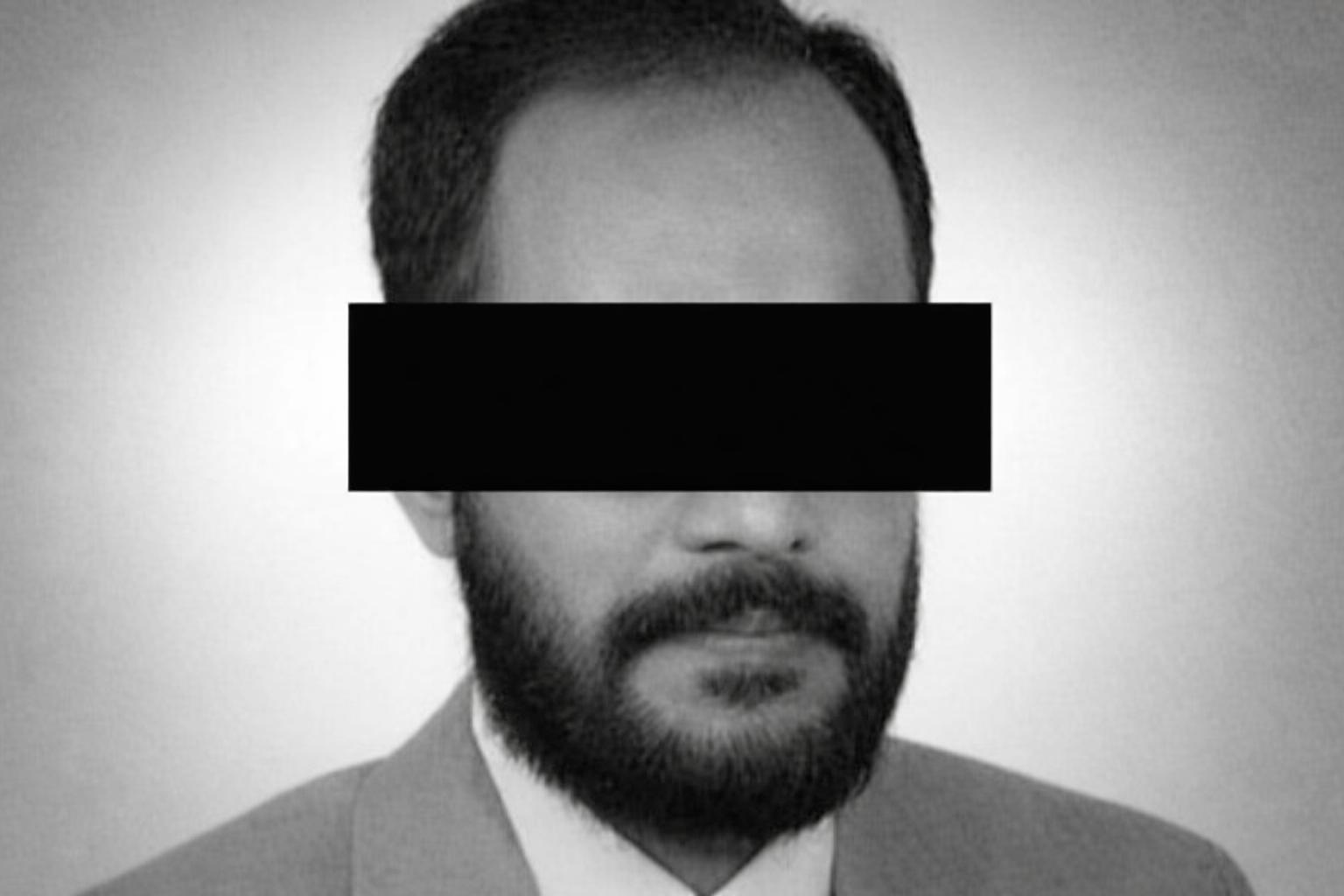
SISP has documented communications indicating that a politically connected individual — identified here only by initials (M.N.U.) — may have played a facilitating role behind the scenes. The individual shown in the accompanying image is intentionally anonymized, and identifying details are withheld due to ongoing legal and investigative processes.
Based on documented records and witness accounts, (M.N.U.) is reported to be a senior associate and professional superior of the father of Shahid Anwar Shadin, one of the principal individuals named in this matter. Witness statements and preserved communications indicate that (M.N.U.) maintains extensive political and institutional connections within Bangladesh and is reportedly seeking public office as a parliamentary candidate affiliated with a political organization.
SISP records reflect that (M.N.U.) appeared at the office of SISP’s legal counsel and separately contacted counsel by phone, during which he allegedly asserted influence over senior officials within the Police Bureau of Investigation (PBI), the judiciary, and the Ministry of Justice. These statements were perceived by counsel as pressure and intimidation, and the communications are preserved as part of the evidentiary record.
In a separate incident, (M.N.U.) attempted to establish indirect contact with the founder of SISP through an intermediary located in New York, United States. The founder documented this outreach and issued a formal written warning, advising (M.N.U.) to refrain from involvement, emphasizing the seriousness of the crimes under investigation and the risks associated with interference. Subsequent attempts by (M.N.U.) to initiate informal or personal engagement were declined, and all communications between the parties have been preserved.
As the case progressed and indicators emerged suggesting prolonged institutional inaction, the founder of SISP again formally warned (M.N.U.) to disengage entirely from individuals implicated in the matter. The warning stated clearly that accountability would be pursued through lawful channels without regard to time, cost, or external pressure. Following this communication, (M.N.U.) ceased direct contact, although references to his involvement continued to surface through witness testimony and documented statements.
Notably, a long-standing associate of Shahid Anwar Shadin, who later became a cooperating witness, reported that Mr. Shadin explicitly claimed protection through senior PBI and court officials, allegedly facilitated through (M.N.U.), whom he described as his father’s superior. These statements were reported independently and are preserved as part of SISP’s documentation.
SISP emphasizes that these assertions are presented as documented reports, witness accounts, and preserved communications, not conclusions. The information is published for transparency and record-keeping while appropriate legal and investigative processes continue.
Decision to Escalate to the United States
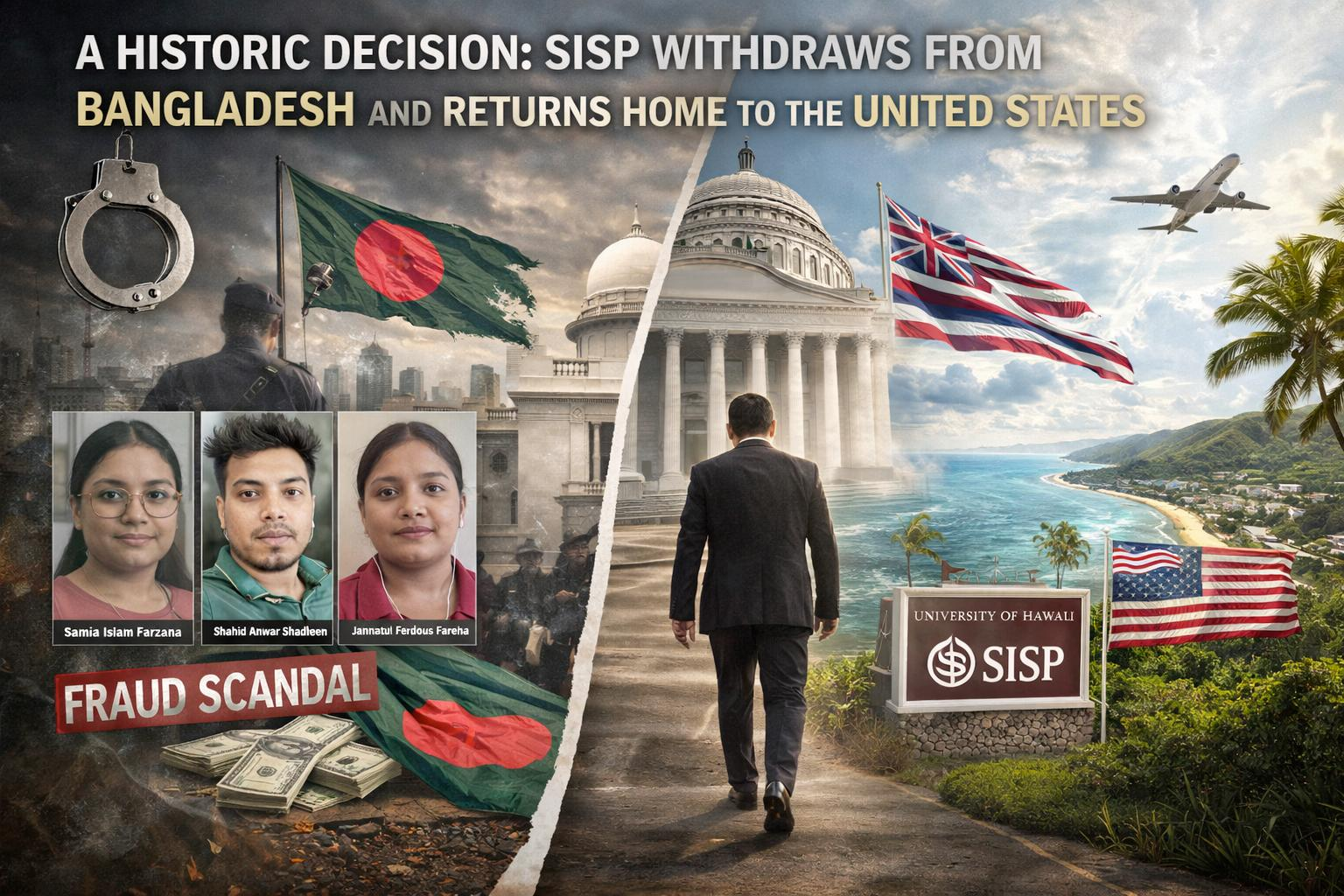
Given the sustained institutional failures in Bangladesh and the cross-border cyber impact, the severity of financial losses, and the emotional distress suffered by all victims of these crimes—including SISP, its partners, and affiliates—SISP is formally preparing to escalate this matter to United States federal authorities, including the Federal Bureau of Investigation (FBI).
Under United States federal standards, fraud, cyber intrusion, and obstruction of justice involving a U.S. person or a U.S.-registered institution — particularly when combined with foreign interference or institutional non-response — are treated as matters of the highest national concern. These offenses fall squarely within federal jurisdiction due to their impact on interstate commerce, cybersecurity, financial systems, and the protection of American persons and institutions operating internationally.
Under U.S. law, such conduct may implicate multiple federal statutes, including but not limited to:
Computer Fraud and Abuse Act (18 U.S.C. § 1030) — governing unauthorized access, destruction of data, and cross-border cyber intrusion
🔗
https://www.law.cornell.edu/uscode/text/18/1030
Wire Fraud (18 U.S.C. § 1343) — addressing schemes to defraud using electronic communications across borders
🔗
https://www.law.cornell.edu/uscode/text/18/1343
Obstruction of Justice (18 U.S.C. §§ 1505, 1512) — covering interference, intimidation, or suppression of lawful investigations and proceedings
🔗
https://www.law.cornell.edu/uscode/text/18/1512
When obstruction or interference is alleged to have occurred against a U.S. nonprofit organization, a U.S.-registered business, or a U.S. resident, the matter may trigger multi-agency federal review. Such reviews are commonly handled through coordinated processes involving:
Federal Bureau of Investigation (FBI) — primary investigative authority for federal cybercrime, fraud, and obstruction
🔗
https://www.fbi.gov/investigate
FBI Internet Crime Complaint Center (IC3) — national reporting and intelligence hub for cyber-enabled crimes affecting U.S. persons and institutions
🔗
https://www.ic3.gov
U.S. Department of Justice (DOJ), Criminal Division – Computer Crime and Intellectual Property Section (CCIPS)
🔗
https://www.justice.gov/criminal-ccips
U.S. Department of the Treasury — addressing financial flows, sanctions exposure, and international compliance issues
🔗
https://home.treasury.gov
The implications of such cases extend beyond individual criminal liability. Organizations, facilitators, and institutions found to have enabled, tolerated, or obstructed accountability in matters involving U.S. persons or institutions may face severe and lasting consequences, including international scrutiny, reputational damage, financial restrictions, loss of institutional credibility, and exclusion from lawful partnerships.
Once escalated through appropriate legal channels, these processes are evidence-driven, jurisdictional, and irreversible. They are not subject to negotiation, informal resolution, or political influence. Accountability proceeds according to statute, documented facts, and federal authority — regardless of geography, status, or position.
This escalation is not a threat. It is a lawful, procedural consequence of the seriousness of the conduct involved, as defined by U.S. law and enforced by U.S. institutions charged with protecting American persons and organizations worldwide.
Broader Consequences for Bangladesh’s Image and Humanitarian Future

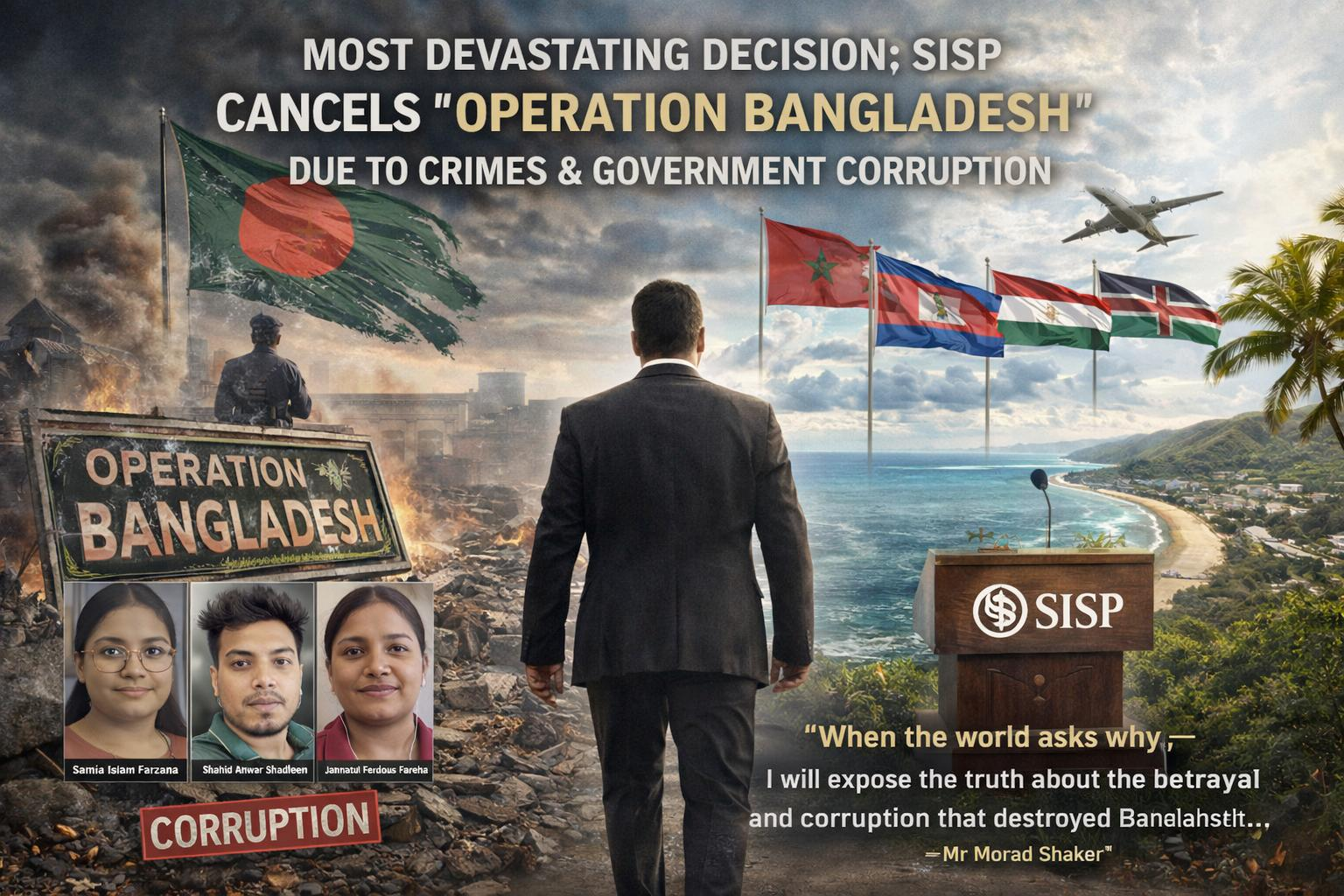
As a direct result of these events, SISP made the decision to withdraw Operation Bangladesh as a national-scale initiative within Bangladesh, despite it being the largest and most comprehensive humanitarian program we had ever planned for the country.
Humanitarian work of this magnitude cannot function where accountability collapses, institutional integrity is absent, and criminal actions against charitable missions remain unaddressed.
It is important to clarify that this withdrawal does not reflect a lack of compassion for the people of Bangladesh. Prior to these incidents, SISP had launched pilot and test-stage humanitarian programs, including limited support for underprivileged families in rural villages and assistance for vulnerable individuals, including single mothers. These pilot efforts were designed as the foundation for a broader national rollout.
However, during the critical development period — beginning around March through May of the previous year — funds designated for these programs were unlawfully taken, resulting in the immediate suspension of planned expansion and the forced halt of several pilot operations. The disruption was not the result of logistical failure or lack of intent, but of criminal actions that directly undermined humanitarian delivery.
At present, only minimal pilot-level assistance continues, maintained with extreme caution and limited scope, solely to avoid abandoning families who had already been brought into early-stage support frameworks. These activities no longer represent a national operation, but rather a temporary and constrained humanitarian presence.
Looking forward, SISP is preparing to engage with the leadership of other nations to identify a new host country for what we regard as a once-in-a-lifetime, God-given opportunity — a comprehensive humanitarian, educational, and development initiative designed to uplift an entire nation through lawful, transparent, and accountable means.
When that transition occurs, it will stand as a deeply regrettable and sobering moment: not because SISP chose to leave Bangladesh, but because an opportunity of historic scale was lost to the country due to systemic failure, unchecked misconduct, and the erosion of trust necessary for humanitarian partnership.
This outcome is neither celebrated nor politicized. It is acknowledged with profound disappointment, and with the hope that accountability, reform, and integrity may one day make such opportunities possible again.
Related Posts